The Digital Marketing Agency Growth Playbook 2026 outlines proven strategies, tools, and systems agencies need to scale efficiently, retain clients, and stay competitive in a rapidly evolving digital market.

You want growth, but you also want your sanity. That’s fair. In 2026, agency growth is not just “more clients.” It’s more of the right clients, with smoother delivery, and cleaner cash flow. It’s waking up without twenty fires waiting in your inbox. It’s building a business that feels steady, not shaky.
This playbook is for you if you run an agency or you’re building one. You’ll get clear ideas you can act on. You’ll also get a few laughs, because growth without joy is just fancy stress. And yes, we’ll gently weave in “digital marketing near me” so your content stays search-friendly.
1) What “Growth” Actually Means for Agencies Today
Growth used to mean “add more services and chase bigger brands.” That approach is tired now. Today, growth means becoming easier to understand and easier to trust. People don’t want a mystery agency. They want a clear outcome.
For you, growth can mean higher profit without more hours. It can mean fewer clients that pay better. It can also mean predictable work, not random sprints. The agency world is crowded, so being “good” is not enough. You need to be memorable and specific.
Also, clients are smarter in 2026. They compare options quickly. They search for local support, like “digital marketing near me,” because they want faster communication. They want a partner who speaks their language. If you can offer clarity and confidence, you win.
2) The “Comfortable Growth” Mindset

Let’s talk mindset in a practical way. You don’t need “hustle.” You need a repeatable plan. Comfortable growth means you grow at a pace your team can handle. It means you don’t scale chaos.
If your delivery is messy, more clients means more stress. If your offers are unclear, more leads means more wasted calls. If your pricing is soft, more work means less profit. Growth should improve your life, not ruin your weekends.
So your first growth goal is this: make your agency easier to run. Then scale what’s stable. That’s how you build something that lasts.
3) The 3 Numbers That Predict Monthly Revenue
You don’t need a dashboard with fifty metrics. You need three numbers you can check weekly. These numbers tell you where your money is coming from. They also show you what needs fixing.
Number 1: Leads per month.
How many qualified people ask about your service?
Number 2: Close rate.
Out of those leads, how many say yes?
Number 3: Average monthly value per client.
How much does each client pay per month, on average?
Here’s the simple revenue math:
Monthly revenue = leads × close rate × average value.
It’s not magic. It’s math. And math is great because it doesn’t care about your mood.
If you improve just one number each month, revenue moves. If you improve two, it moves faster. If you improve all three, you’ll feel like you found a cheat code.
4) A Quick Example You Can Steal
Let’s keep it simple. Say you get 20 qualified leads a month. You close 25% of them. That’s 5 clients. If your average client pays $1,740 USD or ₹1,58,550 INR per month, that’s $8,700 USD or ₹7,92,750 INR new monthly revenue.
Now imagine you improve one number. You keep 20 leads, but close 35%. That’s 7 clients. Same offer, same leads, better sales process. Or you keep the close rate, but raise average value to $2,320 USD or ₹211,380 INR. Now 5 clients adds $11,600 USD or ₹10,57,000 INR.
This is why these three numbers matter. They show you exactly where to focus. They also stop you from chasing random tactics.
5) Positioning: Stop Being “Full-Service”

Being “full-service” sounds helpful, but it often makes you invisible. It tells clients you do everything, which means you stand for nothing. It also attracts people who want a bargain buffet.
In 2026, positioning is your superpower. Positioning means you’re known for a specific result. It’s the difference between “We do marketing” and “We help local clinics book more appointments.”
When people search “digital marketing near me,” they see dozens of options. They click the one that feels most relevant. Relevance is not about being loud. It’s about being specific.
Try this positioning formula:
We help [type of business] get [result] using [method].
Keep it tight. Keep it real. Make it easy to repeat.
6) The “One Service” Myth and the Better Alternative
You might think you must do only one thing. That’s not always true. You can offer a small set of services, as long as they connect to one outcome.
Instead of “full-service,” become “outcome-service.” For example, your agency might do SEO, ads, and landing pages. That’s still focused, if the outcome is“more leads.”
The key is the story you tell. You’re not selling random services. You’re selling a clear path to a goal. Clients buy paths, not tasks.
7) Retainers vs. Projects: The Hybrid Model
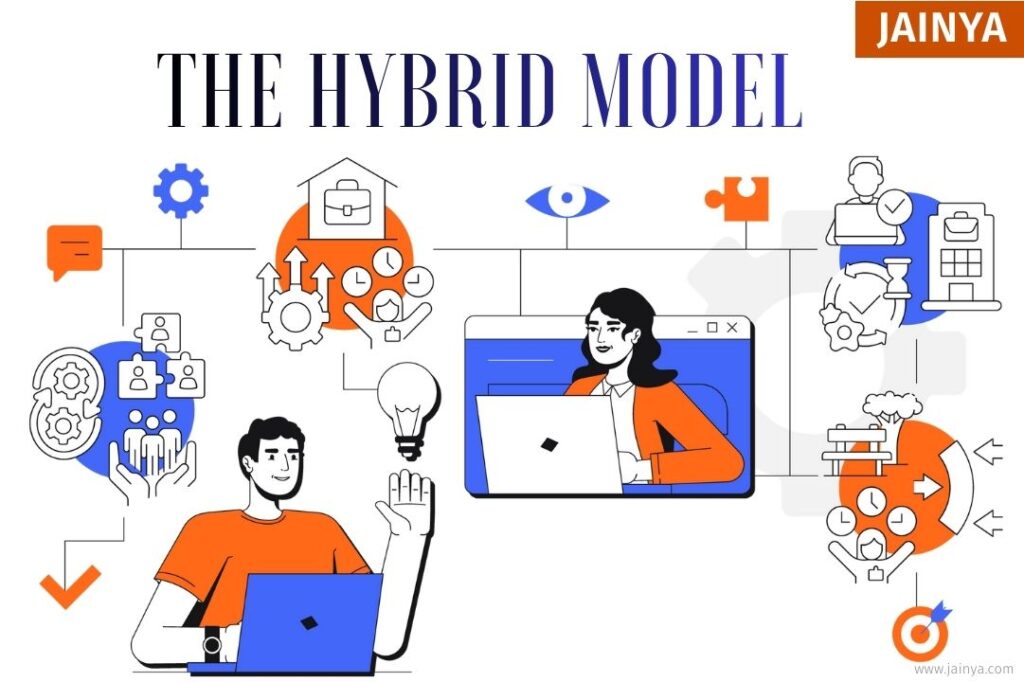
Retainers are stable. Projects are flexible. Both are useful, but each has problems. Retainers can feel like a treadmill. Projects can make cash flow jumpy.
The hybrid model is the sweet spot in 2026. You offer a small starter project, then move to a retainer. The project builds trust fast. The retainer creates stability.
Here’s a common hybrid flow:
- Strategy and setup project
- First month execution sprint
- Ongoing monthly retainer for growth
This is great for you because you get paid to think. It’s great for clients because they get quick progress. Everyone wins, and nobody feels trapped.
8) The Ideal Client Scorecard (Quick Test)
Not every client is worth it. Some clients pay well but drain your energy. Others are fun but never commit. You need a quick way to decide.
Use a scorecard with five simple questions. Rate each from 1 to 5.
- Do they have a real budget?
- Do they respect expertise and process?
- Is the problem urgent and valuable?
- Can you confidently help them win?
- Do you enjoy working with their style?
Add the score. If it’s under 18, be careful. If it’s over 20, lean in.
This scorecard saves you from “bad fit” stress. It also protects your team. Growth is easier when your clients match your strengths.
9) Simple Systems to Reduce Delivery Chaos

Chaos does not come from “too much work.” It comes from unclear work. The fix is not working harder. The fix is better systems.
Start with three simple systems:
- A clear onboarding checklist
- A weekly delivery rhythm
- A client communication routine
Onboarding checklist means you collect everything up front. No more chasing logins for weeks. Weekly rhythm means your team knows what happens on Monday and Friday. Communication routine means clients know when they hear from you.
When your system is clear, you deliver faster. You also make fewer mistakes. Clients feel calm, and calm clients stay longer.
10) The Weekly Rhythm That Saves Your Brain
Try this light structure. It keeps work moving without constant meetings.
- Monday: plan priorities and assign tasks
- Tuesday to Thursday: execute and produce
- Friday: review results and prepare updates
You can keep it simple. You can keep it human. Your goal is to reduce decision fatigue. The best agencies don’t decide everything every day. They follow a rhythm.
11) Hiring Your First Specialist, Not Generalist

When you hire early, it’s tempting to hire a “do-it-all” person. It sounds efficient. It often creates confusion. A generalist can be great, but only if your system is mature.
Your first hire should usually be a specialist for your bottleneck. Look at what slows you down the most. That bottleneck is your hiring clue.
Common first specialist hires include:
- A content writer who ships weekly
- A media buyer who manages ads cleanly
- A video editor who speeds up delivery
- An SEO specialist who handles audits and updates
A specialist improves quality and speed. They also make results more consistent. And consistency is what clients pay for.
12) Upsells That Feel Helpful, Not Pushy
Upsells get a bad reputation because people do them badly. A good upsell feels like a smart next step. It’s not a surprise bill. It’s a useful add-on.
The easiest upsells are the ones that support the main goal. If your client wants more leads, your upsell should remove lead friction.
Examples:
- Add landing page testing to improve conversions
- Add retargeting ads to capture warm traffic
- Add email follow-up sequences to boost response
Present it like this: “If you want faster results, this helps.” Then explain cost and impact clearly. No guilt. No pressure.
Clients actually like upsells when they make sense. They want progress. You’re offering a shortcut, not a sales trick.
13) Mistakes That Cap Agencies at $10k/mo
Many agencies get stuck around $10k per month. It’s a common plateau. It happens for predictable reasons, and you can fix them.
Mistake 1: Selling custom work every time.
Custom work kills margins and makes delivery slower.
Mistake 2: Weak positioning.
If you sound like everyone, you compete on price.
Mistake 3: No follow-up system.
Leads go cold because nobody nurtures them.
Mistake 4: Underpricing and overdelivering.
You become busy and broke at the same time.
Mistake 5: No process for referrals.
Happy clients forget to refer you unless you ask.
These mistakes are not shameful. They’re normal. You just need to notice them and adjust.
14) Why Local Intent Matters in 2026
More businesses are searching with local intent. They type things like “digital marketing near me” because it feels safer. They want a nearby partner or at least a similar time zone.
You can use this in your growth strategy. Add local proof. Mention the areas you serve. Show local case studies. Use location pages if it fits your market.
Even if you work globally, local trust signals still help. People want to feel close to the solution. Your job is to reduce distance, even online.
15) A 30-Day Action Plan You Can Copy
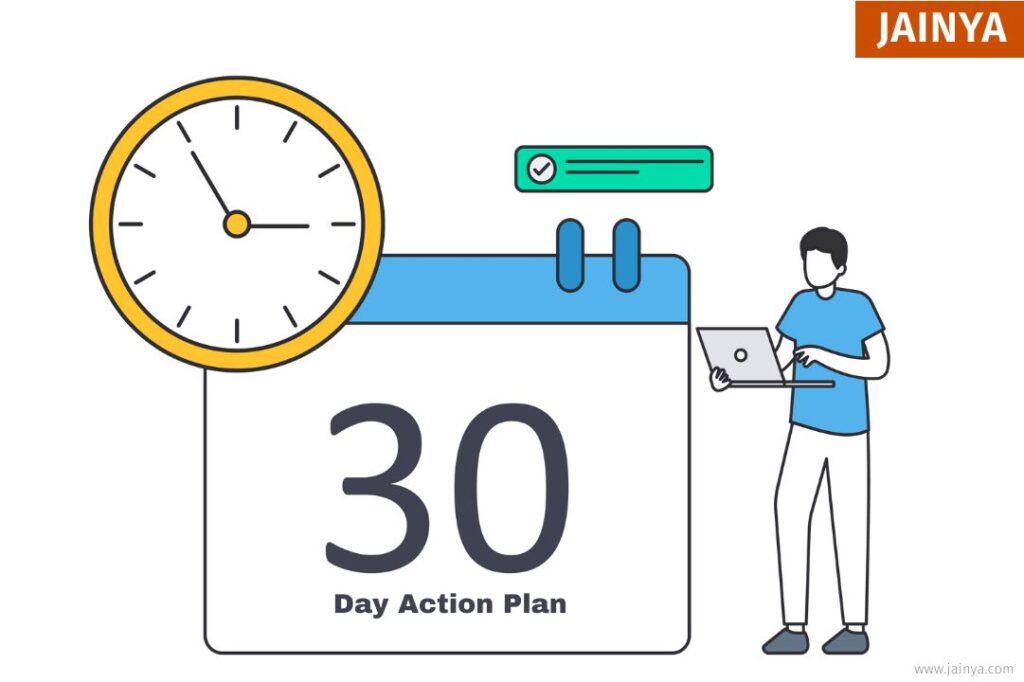
Here’s a simple 30-day plan that won’t melt your brain. You can run it solo or with a small team. Each week has one main focus.
Week 1: Clarity and positioning
- Write your positioning statement in one sentence
- Pick one target audience and one main outcome
- Update your website headline and services page
- Create one lead magnet or starter offer
Week 2: Fix your three numbers
- Track leads, close rate, and average value
- Add a follow-up sequence for leads
- Improve your sales call structure
- Raise prices slightly for new clients
Week 3: Build delivery systems
- Create an onboarding checklist
- Define your weekly work rhythm
- Create client update templates
- Set clear boundaries for scope
Week 4: Create growth loops
- Ask three happy clients for referrals
- Turn one client result into a case study
- Publish two helpful posts with local keywords
- Test one partnership with a local business
By the end of 30 days, you’ll feel different. Not because you “worked harder.” Because you worked smarter. You built clarity, systems, and momentum.
16) Your “Do This First” Mini Checklist

If you only do three things from this playbook, do these:
- Tighten your positioning to one clear outcome
- Track the three numbers weekly
- Build an onboarding checklist that runs every time
These moves are boring in the best way. They create stability. Stability creates growth.
And when you add a few local signals for “digital marketing near me,” you become easier to find. You also become easier to trust. That’s the real game in 2026.

Talk to the solutions team

Leave a Comment